Description
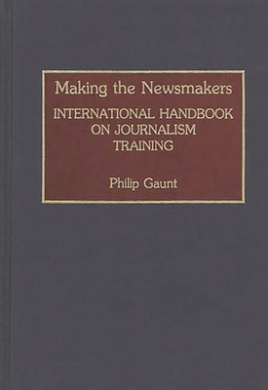
This study of journalism training analyses training programmes in 70 countries and lists 600 training institutions around the world. This worldwide survey of communication training since 1958 was sponsored by UNESCO. In analysing different programmes, the study examines such areas as the type of institution in which training is given, the kinds of courses offered, entrance requirements, the number of students, qualifications of educators, diplomas or degrees awarded and the placement of graduates. It also explores different press concepts as they relate to training and identifies the specific needs arising from each system. In particular, it notes the massive changes that have taken place in Eastern and Central Europe and speculates what kind of system will emerge in that region. After analysing the programme in the seven regions of the world, the study identifies the principal challenges facing communication training in both the developing world and the industrialised nations. It concludes that, while differences are likely to remain for a long time to come, there is at least the possibility that journalism and journalism training will become more homogeneous in the future. This volume, both a scholarly work and a directory, may become the standard reference on communication training.