Description
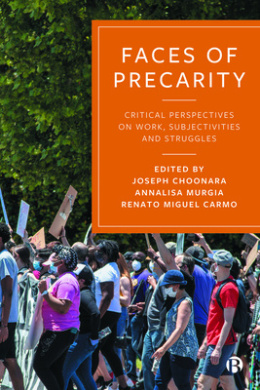
The words precarity and precariousness are widely used when discussing work, social conditions and experiences. However, there is no consensus on their meaning or how best to use them to explore social changes. This book shows how scholars have mapped out these notions, offering substantive analyses of issues such as the relationships between precariousness, debt, migration, health and workers mobilisations, and how these relationships have changed in the context of COVID-19. Bringing together an international group of authors from diverse fields, this book offers a distinctive critical perspective on the processes of precarisation, focusing in particular on the European context.