Description
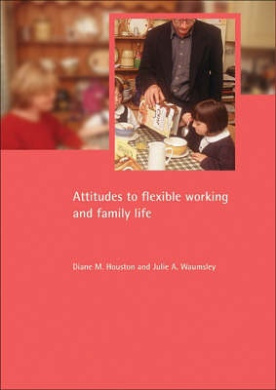
From April 2003, parents with children under the age of 6 or disabled children under the age of 18 have the legal right to request flexible working hours and employers have a duty to consider their applications seriously. This legislation reflects changes in the economic and political climate as well as social change. But what do employees themselves think about flexible working? This report is the first to examine attitudes towards flexible working and family life. Drawing on a study of over 1500 members of the Amalgamated Electrical and Engineering Union (AEEU) and interviews with 53 AEEU shop stewards, the report: – examines attitudes to, and uptake of, flexible working practices among employees who work full-time; – compares the attitudes of women and men, those who do and do not have caring responsibilities and those at different occupational levels; – considers the ways in which workplace culture and individual circumstances determine attitudes to flexible working; – explores the career implications of flexible working. The report addresses key questions around rights and benefits, employer’s attitudes, gender differences and the effects of flexible working on employees’ health and well-being. It also considers what types of workplace culture facilitate flexible working practices. The findings will be of great interest to policy makers, employers, employees and academics and students researching in the field.