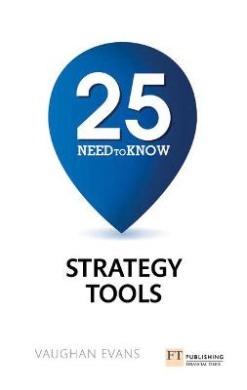
Description
About the author Publisher’s acknowledgements Introduction Top 10 Dos and Don’ts of Strategy Development 1. Identifying key segments: Using it: IBM 2. Setting long-term goals: Using it: Virgin Galactic 3. Setting SMART objectives: Using it: the BBC 4. Core Ideology (Collins and Porras): Using it: Sony 5. The HOOF approach to demand forecasting (Evans): Using it: Apps 6. The five forces (Porter): Using it: Blockbuster 7. Rating competitive position: Using it: Samuel Adams 8. The resource and capability strengths/importance matrix (Grant): Using it: Virgin Group 9. The value chain (Porter): Using it: Zara 10. The product/market matrix (Ansoff): Using it: Virgin Cola 11. The attractiveness/advantage matrix (GE/McKinsey): Using it: Extramural Ltd 12. The growth/share matrix (BCG): Using it: Extramural Ltd 13. Three generic strategies (Porter): Using it: Southwest Airlines 14. The experience curve (BCG): Using it: Energy technologies 15. Blue ocean strategy (Kim and Mauborgne): Using it: Cirque du Soleil 16. Optimising the corporate portfolio: Using it: Extramural Ltd 17. Creating value through mergers, acquisitions and alliances: Using it: Lloyds Banking Group 18. Creating parenting value (Goold, Campbell and Alexander): Using it: Oil company mineral resources 19. Core competences (Hamel and Prahalad): Using it: Red Bull 20. Deliberate and Emergent Strategy (Mintzberg): Using it: Facebook 21. Profit from the core (Zook): Using it: Marvel Entertainment 22. Disruptive technologies (Christensen): Using it: Toyota 23. Good strategy, bad strategy (Rumelt): Using it: Wal-Mart 24. Innovation hot spots (Gratton): Using it: Linux 25. The Suns & Clouds Chart (Evans): Using it: Madonna Conclusion 10 Useful Strategy Books to Read Next Glossary of terms References and Further Reading Index